Table of Contents
ToggleIn a world where bigger often means better, the charm of a small cozy minimalist living room stands out like a cat in a dog park. Who needs a sprawling space when you can create a warm, inviting nook that feels just right? Embracing minimalism doesn’t mean sacrificing comfort; it’s about finding joy in simplicity and making every square foot count.
Overview of Small Cozy Minimalist Living Room
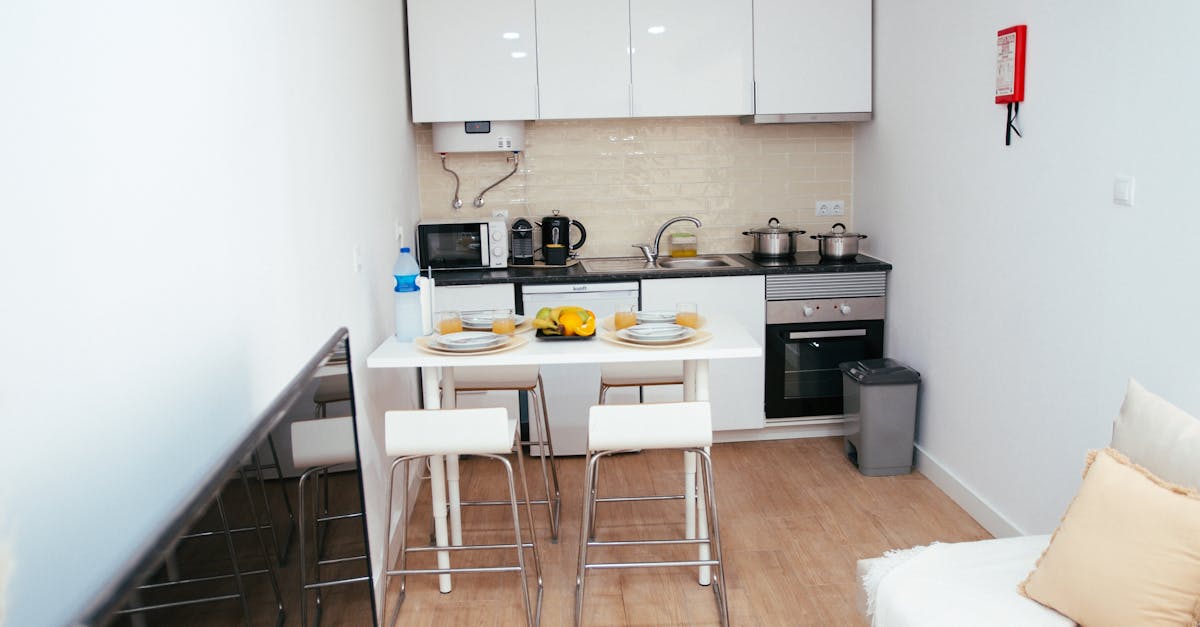
A small cozy minimalist living room embodies comfort while emphasizing simplicity. These spaces use limited square footage effectively, creating an inviting atmosphere. Minimalism focuses on essential furniture pieces, allowing each item to serve a purpose.
Natural light plays a crucial role in enhancing coziness. Large windows or strategic lighting provide a warm ambiance, making the room feel open. Incorporating soft textiles can also add warmth; throw pillows and blankets create a welcoming environment without cluttering the space.
Color palettes often feature neutral tones or pastels. Such colors promote a sense of tranquility and clarity. Incorporating plants can further enhance the environment, bringing life and vibrancy into understated designs.
Furniture selections focus on functionality and simplicity. Consider versatile options like a foldable table or a compact sofa bed. Such choices maximize utility while maintaining a minimalist aesthetic.
Layout matters in small living rooms. Arranging furniture to facilitate conversation and movement enhances the overall experience. Open spaces ensure that these areas feel larger and more comfortable.
Accessories remain minimal yet impactful. Artwork or carefully chosen decorations can serve as focal points without overwhelming the senses. Organizing items into designated spots contributes to an orderly and serene atmosphere.
Small cozy minimalist living rooms balance functionality with style. Each choice reflects intentionality, creating spaces that invite relaxation and connection. Embracing these principles fosters an environment that feels both spacious and intimate.
Key Elements of Design
Small cozy minimalist living rooms thrive on a few key elements that ensure comfort and visual appeal. Attention to each aspect guarantees a cohesive, inviting space.
Color Palette
Neutral tones dominate color palettes in these spaces. Soft whites and beige create an airy atmosphere while promoting tranquility. Pastels also contribute to the serene environment, adding subtle color without overwhelming the senses. Shades can be chosen based on personal preference, with light blue or gentle green introducing a touch of nature. The successful combination of these hues enhances natural light, making the room feel larger and more open.
Furniture Selection
Furniture in small cozy minimalist living rooms emphasizes functionality and simplicity. Compact sofa beds serve dual purposes, providing seating during the day and transforming into a sleeping area at night. Additionally, foldable tables maximize utility while maintaining a minimalist aesthetic. Selections should focus on pieces that offer storage options, such as ottomans with hidden compartments. Each item should enhance the room’s comfort while allowing for easy movement.
Lighting Considerations
Lighting plays a crucial role in establishing the right atmosphere. Large windows maximize natural light, brightening the space and enhancing its warmth. In addition to sunlight, layered lighting solutions, including floor lamps and sconces, create inviting areas in the room. Soft white bulbs ensure a cozy ambiance in the evenings. Placement of lights should enhance functionality while highlighting decorative elements without overcrowding the environment.
Tips for Creating a Small Cozy Minimalist Living Room
Creating a small cozy minimalist living room involves strategic planning and thoughtful design choices. Here are some effective strategies.
Maximizing Space
Utilizing multifunctional furniture optimizes available square footage. Consider a coffee table that doubles as a storage unit. Arranging furniture to encourage easy movement enhances the space’s flow. Opt for wall-mounted shelves to keep floors clear while displaying decor. Incorporating mirrors not only adds depth but reflects light, making the space feel larger. Keep pathways unobstructed to maintain an airy atmosphere. Using light colors for furniture and walls fosters openness, making small spaces feel more inviting.
Incorporating Personal Touches
Displaying a limited number of cherished items creates a unique character. Personalizing the decor with family photos or artwork imbues the space with warmth. Choosing a few vibrant plants adds life while maintaining minimalism. Textiles, such as a favorite throw or nostalgic blanket, offer comfort without clutter. Select carefully curated accessories to reflect personal style without overwhelming the room. Incorporating handmade items, like a crafted vase, enhances individuality and connection to the space. Balancing decorative elements with functional design encourages both personal expression and minimalism.
Benefits of Minimalist Living
Minimalist living offers numerous advantages that enhance daily life. One significant benefit is reduced maintenance. Fewer items mean less cleaning and organizing, allowing individuals to spend more time enjoying their space.
Simplicity in design promotes clarity of thought. A less cluttered environment often leads to a more peaceful mindset. This tranquility supports relaxation and can alleviate stress levels.
Improved focus emerges from minimalism. With fewer distractions, it’s easier to concentrate on important tasks. A thoughtfully arranged space fosters creativity and productivity.
Financial savings can also be a prominent benefit. Minimalist living encourages conscious purchasing choices, leading to intentional investments rather than impulsive spending. This approach results in lower overall costs related to furniture, decor, and maintenance.
Flexibility is another advantage of a minimalist lifestyle. With adaptable furniture arrangements, spaces can easily transform for different activities, whether hosting friends or enjoying quiet evenings alone.
Sustainable living practices often accompany minimalism. By prioritizing quality over quantity, individuals reduce waste and support eco-friendly brands. This mindful consumption leads to a lower environmental impact.
Enhanced emotional well-being stems from less attachment to material possessions. Focusing on relationships and experiences strengthens connections and creates lasting memories.
A cohesive aesthetic results from minimalist design. Harmonious color palettes and well-chosen decor create visually pleasing spaces that invite comfort and relaxation.
Reduced decision fatigue occurs when the environment features fewer choices. Streamlined selections allow for quicker and more satisfying decisions in daily life.
Minimalism encapsulates a lifestyle that prioritizes clarity, comfort, and sustainability, enhancing both living spaces and emotional health.
Creating a small cozy minimalist living room is all about embracing simplicity while ensuring comfort. By focusing on functional furniture and thoughtful design choices, these spaces can feel both inviting and spacious. Natural light plays a crucial role in enhancing warmth and tranquility, while soft textiles and carefully chosen decor add personal touches without overwhelming the senses.
This approach not only fosters a serene atmosphere but also promotes a lifestyle that values quality over quantity. Ultimately, a well-designed minimalist living room serves as a perfect retreat, encouraging relaxation and connection in a beautifully curated environment.