Table of Contents
ToggleIn a world cluttered with stuff, creating a serene living room can feel like a Herculean task. But fear not! Embracing minimalism doesn’t mean sacrificing comfort or style. It’s all about finding that sweet spot where less truly is more. Imagine a space that invites relaxation, sparks joy, and doesn’t require a treasure map to find the remote.
Living Room Minimalist Ideas
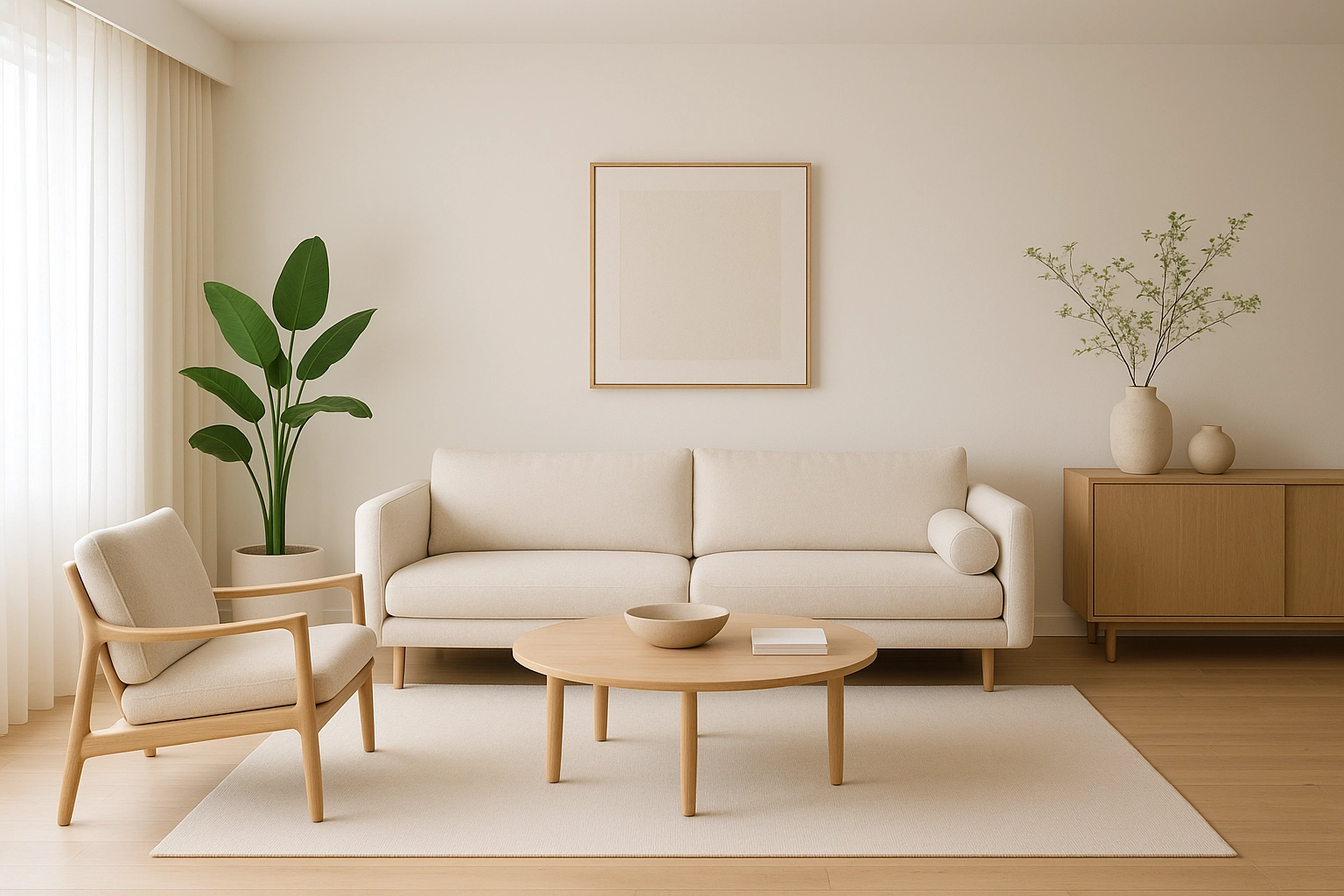
Prioritizing functionality and simplicity transforms a living room into a minimalist haven. Choosing a neutral color palette creates a calming atmosphere and enhances natural light. Incorporating multifunctional furniture, such as storage ottomans or sofa beds, maximizes space while maintaining style.
Decluttering surfaces leaves room for essential items, like a few decorative pieces or plants. Selecting a statement piece of art limits distractions while adding personality to the space. Streamlining accessories further emphasizes simplicity; fewer items often create a more sophisticated look.
Arranging furniture in an open layout encourages flow and ease of movement. Opting for clear or mirrored furniture visually expands the room and maintains a light feel. Textured textiles, like a soft wool throw or cotton look, add depth without overwhelming the senses.
Establishing zones for various activities promotes functionality. A reading nook with a simple chair and lamp provides a cozy spot without excess clutter. Utilizing wall-mounted shelves offers storage while freeing up floor space, contributing to the open feel.
Integrating plants into the design adds a touch of nature. Choosing low-maintenance varieties, such as succulents or snake plants, ensures upkeep remains simple. Finally, maintaining intentionality in decor choices fosters an environment that reflects peace and clarity.
Essential Elements of Minimalist Living Rooms
Creating a minimalist living room involves choosing key elements that enhance simplicity and functionality. Prioritizing these aspects results in a harmonious and inviting space.
Color Palette Selection
Neutral colors form the foundation of a minimalist palette. Shades like white, beige, and soft gray promote a calming atmosphere. Light colors reflect natural light, making rooms appear more spacious. Cool tones can add tranquility, while warm tones introduce comfort. Choosing one or two dominant colors ensures cohesion throughout the space. Pops of color in decorative pieces can add interest without cluttering. This approach brings vibrancy while maintaining a clean aesthetic.
Furniture Choices
Selecting multifunctional furniture plays a crucial role in minimalist design. Pieces such as a sofa bed or a coffee table with storage keep essentials organized. Opting for simple lines and uncluttered designs makes the room feel open. Avoid bulky furniture that overwhelms the space. Floating shelves provide storage without sacrificing floor area. Limited furnishings focus attention on a few statement pieces. Textures, like a soft area rug, can enhance comfort while adhering to minimalist principles.
Organization and Storage Solutions
Organization enhances a minimalist living room by simplifying the space. The right storage solutions keep belongings accessible yet concealed.
Use of Multi-Functional Furniture
Multi-functional furniture saves space while adding style. Examples include coffee tables that convert to dining tables or ottomans with hidden storage. Options like sofa beds provide comfort for guests without requiring extra space. Selecting these versatile pieces optimizes usability in a compact area. They allow for a streamlined look without sacrificing function, aligning with minimalist principles by keeping surfaces clear and organized.
Creative Storage Hacks
Creative storage hacks maximize efficiency in minimalist living rooms. Use wall-mounted shelves to create vertical storage, keeping the floor spacious. Under-sofa drawers or baskets can make excellent use of otherwise wasted space. Utilizing decorative boxes or bins helps conceal clutter while maintaining aesthetic appeal. Consider employing hooks for hanging plants or decor to enhance vertical interest and keep surfaces clutter-free. Cleverly integrating these storage solutions fosters an organized, peaceful environment that embodies the essence of minimalism.
Decor and Accessories
Minimalist decor enhances the serenity of a living room, offering calmness without sacrificing style. Focusing on intentional choices creates an inviting space.
Choosing Minimalist Art
Selecting minimalist art allows for expression without cluttering the walls. Abstract pieces or simple landscapes work well as focal points. A single large canvas often makes a striking statement, while a few smaller pieces can create a cohesive gallery wall. Limit colors and themes to maintain a tranquil atmosphere. Black and white photographs or muted tones complement the minimalist palette and invite contemplation. Look for unique frames that add texture without overwhelming the artwork itself.
Incorporating Natural Elements
Bringing in natural elements connects the indoor space with the outdoors. Adding plants improves air quality and introduces vibrant greenery. Choose low-maintenance varieties like snake plants or pothos that thrive in various lighting conditions. Wooden accents, such as a coffee table or shelves, enhance warmth while retaining simplicity. Incorporating natural fibers, like jute or cotton, in rugs or cushions adds layers without distraction. Using natural light effectively further emphasizes the beauty of these elements, promoting a soothing environment.
Lighting Considerations
Lighting plays a crucial role in minimalist living rooms. A balanced mix of natural and artificial light enhances tranquility.
Natural vs. Artificial Lighting
Natural light significantly impacts the ambiance of a living room. Large windows invite sunlight, creating an airy feel. Sheer curtains adjust brightness levels while maintaining privacy. Positioning mirrors across from windows reflects light deeper into the room, enhancing illumination.
Artificial lighting complements natural sources. Use pendant lights or recessed options for overall brightness. Floor lamps add targeted lighting for reading nooks, adding functionality. Choosing warm-toned bulbs creates a cozy atmosphere, aligning with minimalist principles. Incorporating dimmers allows for adjustable brightness, setting the mood as needed.
Both types of lighting work together to forge an inviting environment. Thoughtfully selecting fixtures and their placement enhances the minimalist aesthetic while providing necessary functionality.
Embracing minimalism in the living room transforms it into a peaceful retreat. By prioritizing functionality and simplicity, anyone can create a space that feels open and inviting. Thoughtful choices in color, furniture, and decor contribute to a serene atmosphere that encourages relaxation.
Incorporating multifunctional pieces and clever storage solutions maximizes space while maintaining style. The right balance of natural and artificial light enhances the overall ambiance, making the room both comfortable and visually appealing.
With intentional design and a focus on essential elements, a minimalist living room can become a true sanctuary that reflects personal style and promotes a sense of calm.