Table of Contents
ToggleImagine walking into a living room that feels like a breath of fresh air—no clutter, no chaos, just pure, unadulterated calm. Living room minimalism isn’t just a trend; it’s a lifestyle that transforms spaces and minds alike. With just a few strategic choices, anyone can turn their living area into a sanctuary that sparks joy rather than stress.
What Is Living Room Minimalist?
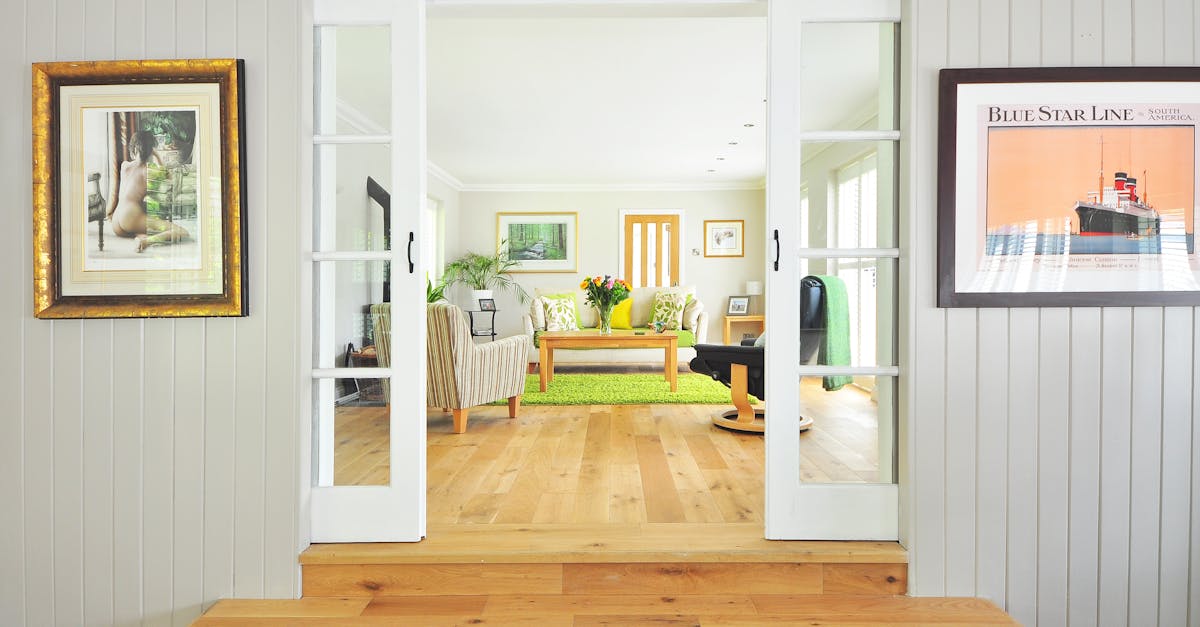
Living room minimalism represents a design philosophy centered on simplicity and functionality. This concept involves removing excess items and focusing on essential furniture pieces. Individuals practicing living room minimalism often aim for a clutter-free environment, promoting peace and relaxation.
Creating a minimalist living room involves a few key principles. Firstly, choosing multifunctional furniture maximizes space without overwhelming it. A coffee table that doubles as storage can maintain organization while remaining stylish. Secondly, opting for a limited color palette fosters a sense of calm.
Minimalist decor emphasizes quality over quantity. Selecting a few statement pieces, such as art or plants, adds personality without creating visual chaos. Natural light plays a crucial role in this aesthetic, so utilizing sheer curtains or open windows enhances brightness.
Additionally, thoughtful placement of items improves flow and accessibility. Arranging furniture to facilitate movement makes the space feel larger and more inviting. Incorporating textures, like soft throws or polished surfaces, adds warmth without cluttering visuals.
Living room minimalism also aligns with sustainability. Choosing durable materials and timeless designs reduces the need for frequent replacements, benefiting both the environment and the budget. Prioritizing functionality over trends ensures a lasting, enjoyable living space.
Ultimately, living room minimalism cultivates a serene atmosphere, allowing individuals to unwind. By implementing these principles, one can transform their home into a sanctuary that supports mental well-being and enhances daily life.
Key Principles of Minimalist Design
Living room minimalism thrives on specific principles that shape a serene and functional environment. Emphasizing simplicity and purpose, these guidelines create a peaceful space free from excess.
Simplicity in Space
Simplicity in space involves reducing clutter and focusing on essential items. By selecting a few key furniture pieces, individuals ensure the living area feels open. Open floor plans enhance natural light and airflow, promoting relaxation. Avoiding overcrowded layouts allows for unobstructed movement. Choosing storage solutions like hidden compartments keeps belongings organized, contributing to a clean aesthetic. Prioritizing fewer items fosters mindfulness, leading to a peaceful ambiance.
Functionality Over Aesthetics
Functionality over aesthetics defines the backbone of minimalist design. Every piece of furniture should serve a purpose while enhancing utility. For instance, a sofa bed caters to both relaxation and sleeping needs. Incorporating shelving that doubles as a display allows for versatility without clutter. Individuals maintain focus on quality rather than quantity, selecting durable materials that stand the test of time. This pragmatic approach ensures a living room that meets everyday needs while remaining stylish.
Essential Elements of a Minimalist Living Room
Creating a minimalist living room involves careful consideration of color palettes and furniture selection. These elements significantly influence the overall feel and functionality of the space.
Color Palette Choices
Neutral colors dominate minimalist design. Shades such as white, beige, and gray help maintain a serene atmosphere. Soft pastels can also provide a subtle lift without overwhelming the senses. A limited color palette establishes cohesion and promotes tranquility. Accent colors might appear sparingly to create focal points, yet they should remain understated. Cohesive tones not only enhance the room’s spaciousness but also allow natural light to reflect, adding to the openness.
Furniture Selection
Choosing the right furniture is crucial in a minimalist living room. Multifunctional pieces, like a coffee table with storage or a sofa bed, maximum utility while minimizing clutter. Selecting minimal shapes and lines eliminates visual chaos, making the space feel more open. Quality over quantity matters; investing in fewer, durable items enhances longevity and aesthetic appeal. Each piece should serve a specific purpose, contributing to both comfort and style. Prioritizing essential furniture creates a harmonious environment, supporting relaxation and mindfulness.
Benefits of Embracing Minimalism
Embracing minimalism in the living room provides numerous advantages. Increased tranquility occurs through a clutter-free environment that reduces visual distractions. Creating spaces with essential furniture promotes focus and relaxation, contributing to overall well-being.
Simplicity in design fosters organization by making it easier to find items. Inviting natural light further enhances the atmosphere, making the living room feel open and airy. Prioritizing quality over quantity in decor encourages thoughtful purchasing decisions, leading to a more satisfying living space.
Adopting a limited color palette achieves aesthetic cohesion and promotes peace. Neutral shades, such as whites and grays, allow for easy integration of furniture while maintaining a calming effect. Soft pastel accents add personality without overwhelming the senses, striking a balance between functional and inviting.
Minimalist living encourages sustainability by selecting durable materials that stand the test of time. Choosing multifunctional furniture, like storage coffee tables, maximizes utility and reduces clutter. This approach not only saves space but also minimizes the need for excessive items.
Implementing minimalist design principles encourages mindfulness by fostering an environment conducive to reflection and relaxation. Living rooms that prioritize simplicity inherently nurture a sense of calm, allowing occupants to unwind after long days. Focusing on essentials ultimately transforms the living space into a joyful sanctuary.
Tips for Achieving a Living Room Minimalist Aesthetic
Choose multifunctional furniture to save space. Options like a sofa bed or nesting tables provide versatility without clutter. Select a limited color palette for calming vibes. Neutral tones such as white, beige, and gray foster tranquility, while soft pastels can add gentle accents.
Utilize natural light to enhance the room’s spaciousness. Position furniture to allow sunlight to filter in, creating an airy atmosphere. Declutter regularly to maintain simplicity. Keeping only essential items ensures a peaceful environment that minimizes distractions.
Incorporate textures to add warmth. Textured elements like rugs or throws offer comfort while preserving the minimalist aesthetic. Display thoughtfully chosen decor that serves a purpose. Prioritizing quality over quantity supports durability and aesthetic appeal.
Organize daily items with hidden storage solutions. Coffee tables with drawers or shelves help keep items out of sight, maintaining an uncluttered look. Create an intentional item placement for better flow. Thoughtful arrangement improves the room’s functionality and aesthetics.
Embrace sustainability in furniture choices. Selecting long-lasting materials contributes to a minimalist lifestyle while reducing waste. Allow for personal touches in decor that don’t overwhelm. This balance creates a joyful sanctuary that reflects individual style without sacrificing simplicity.
Focus on creating a serene atmosphere. Mindfulness becomes easier in an organized living room, promoting relaxation and reflection. Such principles turn any living space into a tranquil retreat, enhancing overall well-being and daily life.
Adopting a minimalist approach in the living room can transform any space into a serene retreat. By focusing on essential items and thoughtful design choices, individuals can cultivate an environment that promotes peace and relaxation. This lifestyle not only enhances aesthetic appeal but also supports mental well-being through reduced clutter and increased functionality.
Embracing natural light and a limited color palette further contributes to a harmonious atmosphere. The principles of living room minimalism encourage sustainability and mindfulness, making it easier to create a joyful sanctuary that reflects personal style. Ultimately, a minimalist living room serves as a foundation for a tranquil life, fostering a sense of calm in today’s fast-paced world.